


How to Move a Piano Without Damage: Tips & Mistakes
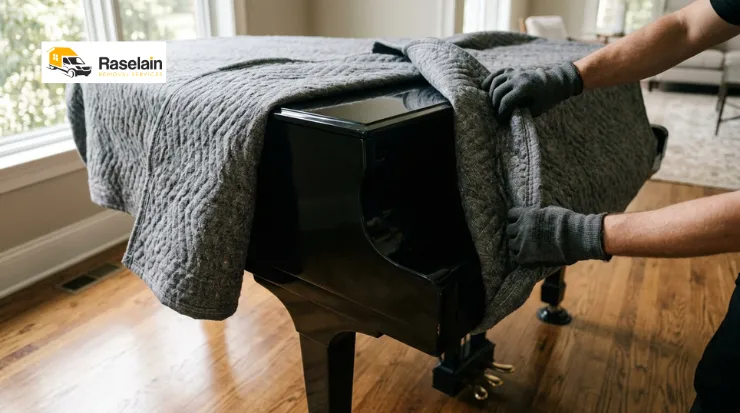
Moving house is already stressful, but adding a piano to the mix takes things to another level. These instruments are not just heavy; they are also fragile, awkward to handle, and far less forgiving than most furniture. One wrong move, a tight doorway, a slippery surface, or simply not enough help can quickly turn into damage or even injury.
This guide will walk you through everything you need to know about moving a piano safely. Whether you are planning a DIY move or trying to decide if it is time to call in professionals, you will find clear, practical advice to help you avoid costly mistakes and move your piano with confidence.
Why Moving a Piano Is More Difficult Than It Looks
Most people underestimate a piano until they try to move one.
An upright piano typically weighs between 150 and 400 kg. A grand piano can reach 600 kg or more. That alone makes moving a piano one of the heaviest single-item challenges in any house removal. But weight is only part of the problem.
Pianos are top-heavy. The mass sits unevenly across the frame, which makes it prone to tipping if tilted at the wrong angle. They are also built with thousands of internal components, including strings, hammers, and delicate wooden parts, that can be knocked out of alignment by vibration or rough handling. Even if your piano arrives at its destination without a scratch, it may still need tuning or internal adjustment after the move.
The shape creates further problems. Pianos do not fit through doorways like a sofa or a wardrobe. They often need to be angled, rotated, or partially disassembled to clear tight corners and narrow hallways.
Types of Pianos and How Moving Requirements Vary
Not all pianos are the same, and understanding the difference matters when planning your move.
Upright Pianos
Upright pianos are the most common type found in UK homes. They come in several sizes, from compact spinets to full-height uprights, and generally weigh between 150 and 400 kg. Because they sit vertically on four legs, they are more stable on a dolly and can be moved without disassembly in most cases. That said, the legs are often fragile and should never be used as lifting handles.
Baby Grand and Grand Pianos
Grand pianos present a significantly more complex challenge. Their horizontal design means the lid, legs, and pedal lyre must be carefully removed before the instrument can be safely moved. Once the legs are off, the body needs to be lowered onto a specialised skid board on its side. This requires experience, the right equipment, and a minimum of three to four people who know what they are doing. Attempting to move a grand piano without prior experience is genuinely dangerous.
Digital Pianos
Digital pianos are lighter and easier to move than acoustic instruments. However, they contain circuit boards, speakers, and weighted key mechanisms that can be damaged by impact or moisture. They should still be properly wrapped and transported upright where possible.
Equipment Needed for Moving a Piano Safely
Using the wrong equipment is one of the most common causes of damage and injury. Before you start, make sure you have the following:
Piano dolly: A four-wheeled flat dolly designed for the weight and base width of a piano. Standard furniture dollies are not suitable.
Heavy-duty moving straps: These distribute the load across the body and keep the piano secure on the dolly and inside the vehicle.
Thick moving blankets: Used to wrap the entire instrument and protect the finish from scratches and dents. At least four to six blankets are usually needed for an upright piano.
Bubble wrap or foam padding: For extra protection around corners, legs, and the keyboard lid.
Furniture sliders: Useful for moving the piano short distances across smooth flooring before loading it onto the dolly.
Skid board: Essential for grand piano moves, used to lay the instrument on its side safely.
Ramp or tail lift: Required for loading onto a van or lorry. A steep manual ramp without a motor is risky with a heavy piano and should only be used with multiple people and proper strapping.
Do not use plastic wrap directly against the wooden surface. It can trap moisture and cause the finish to lift or stain, especially on older instruments.
Step-by-Step Guide to Moving an Upright Piano
Step 1: Measure Everything First
Measure the piano’s width and depth, then measure every doorway, hallway, and staircase it will need to pass through. Many upright pianos are wider than a standard internal doorway, so you may need to remove the door from its hinges. Do this before moving day, not during.
Step 2: Prepare the Piano
Close and lock the keyboard lid. Wrap the entire piano in thick moving blankets, starting at the top and working down. Secure the blankets with packing tape or straps, making sure no part of the wood or finish is exposed. Do not wrap the base or wheels at this point, as you will need them to roll the piano.
Step 3: Clear and Protect the Route
Remove all furniture, rugs, and obstacles from the path. Lay down cardboard or floor runners to protect hard floors. If there are stairs, assess whether you need a ramp and whether the staircase can safely accommodate the piano’s dimensions and weight.
Step 4: Position the Dolly
With at least three people, carefully tilt the piano slightly to one side and slide the dolly underneath. Lower the piano back down onto the dolly and check that it sits flat and is balanced. Secure it with moving straps before moving.
Step 5: Move Slowly and Communicate
One person should guide from the front, another pushes from behind, and a third acts as a spotter watching for tight corners and obstacles. Move slowly. Rushing is how accidents happen. On slopes or ramps, the person on the lower side must be the one controlling the speed of descent.
Step 6: Negotiate Stairs With Extra Care
If there are stairs, this is the stage where most DIY moves go wrong. You will need at least four people. Never let the piano rest on its corner or wheel on a step. Move one step at a time with everyone holding their position before the next move. If the staircase is narrow or has a turn, stop and reassess before continuing.
How to Move a Grand Piano Safely
Moving a grand piano requires disassembly before it can go anywhere. Here is the general process:
Remove the lid by lifting it from the hinges after unscrewing the hinge pins. Wrap it separately.
Remove the pedal lyre by unscrewing the mounting bolts. This unit is fragile and should be wrapped and stored carefully.
Remove the legs. Grand piano legs unscrew from the main body. You will need one person supporting the body at all times as each leg is removed, because once the third leg comes off, the full weight shifts.
Lower the body onto a skid board on its side, with the flat side facing down. The straight side (treble side) should be the side that rests against the board, not the curved bass side.
Wrap thoroughly and secure to the skid board with straps.
The body can then be wheeled on the skid board. Reassembly is the reverse of this process and should also be done carefully to avoid stressing the leg joints.
If you have not done this before, a grand piano move is one of the clearest cases where hiring specialists is the right call.
How to Transport a Piano in a Van or Lorry
Once the piano is out of the property, it still needs to be loaded and secured correctly for the journey.
An upright piano should travel upright, never on its back. Laying an upright piano on its back can cause internal components to shift or strings to press against the soundboard in ways they were not designed for.
A grand piano, once on its skidboard, travels on its side.
Position the piano against the side wall of the van, closest to the cab. This is the most stable position in transit. Use multiple straps anchored to the van’s tie-down rails to secure it firmly. The piano should not be able to shift in any direction. Test it by pushing before you close the doors.
Do not place heavy items on top of the piano. Even a small box left balanced on the lid can scratch or crack the case on a bumpy road.
For long-distance moves, consider whether the van is climate controlled. Extremes of temperature and humidity can affect the tuning and the wood during transit.
Common Mistakes People Make When Moving a Piano
Not Measuring the Route in Advance
This is one of the most common and avoidable mistakes. Many people start moving a piano without checking doorways, hallways, staircases, and tight corners first. Discovering that the piano will not fit halfway through the move can create serious problems and increase the risk of damage.
Using Too Few People
A piano is far heavier and more difficult to control than most people expect. An upright piano typically requires at least three people, while a grand piano often needs four or more. Trying to move one with too few helpers can lead to injuries and loss of control.
Lifting the Piano by the Legs
Piano legs are not designed to support the instrument’s full weight during a move. Lifting or pulling the piano by its legs can cause cracks, structural damage, or even complete breakage.
Skipping Floor Protection
Moving a piano without protecting the floor can damage both the property and the instrument. Piano wheels can leave deep marks on wooden flooring, while thresholds and door frames can be scratched or cracked during the move.
Using Standard Furniture Dollies
Not all dollies are suitable for piano moving. A piano’s weight is distributed differently from other household furniture, which means standard furniture dollies can become unstable or fail under the load.
Transporting an Upright Piano on Its Back
An upright piano should remain upright during transport whenever possible. Laying it flat or on its back can place stress on internal components and may lead to costly damage.
Forgetting to Tune the Piano Afterwards
Even when a piano is moved carefully, changes in temperature, humidity, and position can affect its sound. Most pianos benefit from professional tuning a few weeks after the move once they have settled into their new environment.
When to Hire Professional Piano Movers
There are situations where a DIY move may be possible, and others where hiring professionals is clearly the safer choice.
You should consider professional piano movers if any of the following apply:
- Your piano is a grand or baby grand
- The move involves stairs, narrow hallways, or a lift
- You do not have access to specialist moving equipment
- The piano is a valuable antique or family heirloom
- You are unable to gather a strong enough team for a safe move
- The piano needs to be transported over a long distance
Professional piano movers have the training, equipment, and experience needed to move heavy instruments safely. This helps reduce the risk of damage to the piano, your property, and personal injury. They also provide insurance cover, which adds extra protection and peace of mind.
At Raselain Removal Services LTD, piano moving is carried out by trained movers who understand the care and precision required when handling delicate and high-value instruments. Professional handling can often cost far less than repairing a damaged piano or dealing with injuries caused by an unsafe DIY attempt.
For those searching for piano moving services in Enfield, using a specialist removals company can make a significant difference. Many properties in the area have narrow staircases, tight corners, and limited access, which makes piano moving more complex and requires proper planning and equipment.
Piano Safety Tips Before and After the Move
Before the Move
Keep the piano in its current position and away from external walls or radiators in the weeks before the move. Sudden changes in temperature or humidity just before a move can make the wood more susceptible to stress during transport.
Photograph the piano from all angles before it leaves the property. If any damage occurs during the move, you will need documentation for an insurance claim.
Lock the keyboard lid if your piano has a lock. If it does not, tape it gently shut using low-tack tape that will not damage the finish.
After the Move
Once the piano is in its new location, position it away from windows, exterior walls, and any heating vents. Direct sunlight fades the finish and causes uneven drying of the wood. Heating vents cause rapid humidity changes that affect tuning and can warp the soundboard over time.
Allow the piano to settle for two to four weeks before having it tuned. This is important because the instrument needs time to acclimatise to its new environment. A tuning carried out too soon will often drift again as the wood continues to adjust. Once settled, book a qualified tuner registered with the Pianoforte Tuners’ Association.
Conclusion
Moving a piano requires careful planning and a level of preparation that goes beyond most other household items. Doing it properly means measuring the route in advance, using the right equipment, having enough people to help, and understanding the specific requirements of your piano type.
For simple moves with good access and an upright piano, a careful DIY approach can work if everything is well planned. However, when stairs, tight spaces, a grand piano, or a long-distance move are involved, hiring a professional removal company is the safer and more practical option.
Raselain Removal Services LTD provides the expertise, equipment, and insurance needed to handle piano moves safely and efficiently, reducing the risk of damage or injury.
A well-planned piano move should feel smooth and controlled on the day. A poorly planned one, on the other hand, is likely to become a stressful and costly experience.
Frequently Asked Questions
Q. How many people do you need to move a piano?
At a minimum, three people for an upright and four to five for a grand. More is better, particularly on stairs.
Q. Can I move a piano in a standard removal van?
Yes, provided it is the right size. A long-wheelbase Transit-style van can usually accommodate an upright piano. A grand piano on a skid board may need a larger Luton van or box lorry. Confirm the internal dimensions before booking.
Q. Do piano movers disassemble the piano?
For upright pianos, disassembly is rarely needed. For grand pianos, the legs, pedal lyre, and lid are always removed before transport.
Q. Is my piano covered by home insurance during a move?
Standard home insurance policies rarely cover items in transit. Check your policy carefully and consider taking out specialist removal insurance or confirming the removal company’s liability cover extends to the full value of your piano.
Q. How long does it take to move a piano?
A straightforward local upright piano move with no stairs typically takes two to three hours including loading and unloading. A grand piano move or one involving stairs can take considerably longer.

Raselain Removal Services LTD is a trusted Enfield removals company with years of experience providing reliable home and office moving services across the UK and Europe. From packing and transport to storage and disposal, our team delivers safe, smooth, and stress-free removals tailored to every customer.
Quick Links
Newsletter Subscription
© 2024 Raselain Removal Services LTD. All rights reserved.