


Moving House Storage: Everything You Need to Know Before Your Move
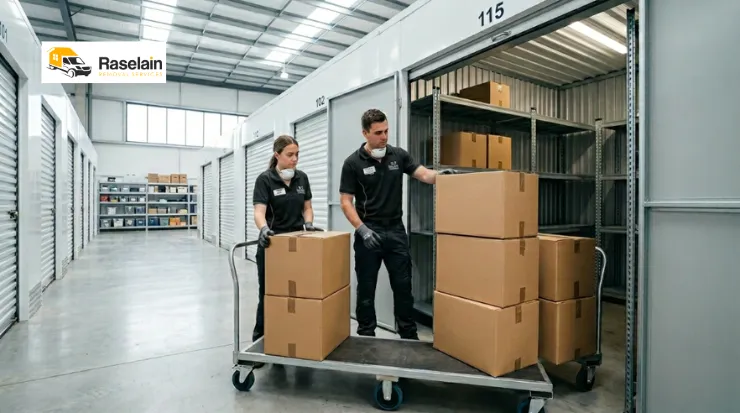
Moving house is one of the most exciting and stressful things you can do. There are dates to juggle, boxes to pack, and a hundred things to organise all at once, which is exactly why working through a moving house checklist early on makes such a difference. One thing that catches a lot of people off guard is the gap between leaving their old home and settling into the new one. That gap is exactly where moving house storage becomes a lifesaver.
Whether you need somewhere safe for your belongings for a few days or a few months, this guide covers everything you need to know about house move storage, from why you might need it, to how to choose the right option and how to make the process as smooth as possible.
Why Do People Need Storage When Moving House?
Not every move goes perfectly to plan. Completion dates shift, removals get delayed, and sometimes your new home just isn’t ready when you need it to be. This is far more common than people expect.
Here are the most common situations where moving house temporary storage becomes essential:
Mismatched moving dates: You have to be out of your current home on the 10th, but you cannot get into your new property until the 25th. That two-week gap can feel like a nightmare without a plan. A storage unit gives your belongings a safe place to stay while you sort out temporary accommodation.
Property chain delays: Chains can collapse or be delayed right up until the last minute. If your move gets pushed back unexpectedly, having your items already in storage means you are not scrambling to find a solution under pressure.
Downsizing: Moving to a smaller home means you may not have room for everything straight away. Rather than making rushed decisions about what to keep or throw away, storage gives you time to sort things properly without the stress.
Renovating before you move in: Many people want to redecorate or carry out work before they start moving in. Storage lets you keep your furniture and belongings safe and out of the way while the work is done.
Decluttering to sell your home: Estate agents often advise clearing out bulky furniture and personal items to make rooms look bigger and more appealing to buyers. A storage unit is the perfect solution for this, keeping your things safe without throwing anything away.
It is worth knowing that most people underestimate how long they will need storage. Many expect to use it for four to six weeks, but the average ends up being significantly longer, especially when property chains or renovation timelines are involved. Booking flexible, short-term storage that can be extended easily is always a smarter approach.
What Are Your Moving House Storage Solutions?
There are a few different types of storage available when moving home, and the right one will depend on your situation, budget, and how long you need it.
Self Storage Units
This is the most popular option. You rent a unit at a storage facility, load it yourself, and access it whenever you need. Units come in various sizes, from small lockers for a few boxes to large units that can hold the entire contents of a family home. Self-storage is flexible, and most providers allow you to upgrade to a bigger unit or extend your rental period with little notice.
Removals Company Storage
Some removal companies offer their own storage as part of a combined package. Your belongings are loaded onto a vehicle, transported to a secure warehouse, and stored in dedicated containers until you need them delivered. This is a particularly convenient option because you only handle your items once the removal team does the rest. If you are already booking a professional removal service, it is worth asking whether they offer integrated storage as part of the move.
Portable Storage Containers
A container is delivered to your door, you fill it at your own pace, and it is then collected and stored at a facility until you are ready for it. This option works well if you prefer to pack gradually over several days rather than all at once.
How Much Storage Do You Actually Need?
Choosing the right unit size is important; too small and you will struggle to fit everything in, too large, and you are paying for space you do not need.
A rough guide to help you plan:
- Small unit (25–50 sq ft): Suitable for the contents of a studio flat or a few rooms’ worth of boxes and furniture
- Medium unit (75–100 sq ft): Works well for a two- to three-bedroom house
- Large unit (150 sq ft and above): Designed for four or more bedrooms or larger furniture like wardrobes, sofas, and dining tables
When estimating, think in terms of rooms rather than items. If you are moving from a three-bedroom home, picture the number of boxes and pieces of furniture that would come out of each room and work from there. Always allow a little extra space, it is much easier to work with than an overfilled unit.
Tips for Using Storage During a House Move
Getting the most out of your storage unit comes down to a little planning. Here are some practical tips that will save you time, stress, and money.
Label everything clearly: Write the contents and the room it came from on every box. This sounds obvious, but it makes a huge difference when you are trying to find something weeks later without pulling everything apart.
Pack heavier items at the bottom: Stack lighter boxes on top. Keep fragile items clearly marked and stored where they will not be crushed.
Disassemble furniture where possible: Bed frames, wardrobes, and shelving units take up far less space when broken down. Keep screws and fittings in labelled bags taped to the main piece.
Use vertical space: Stack boxes high and use shelving if the facility provides it. This doubles the usable space in your unit and keeps things more accessible.
Keep frequently needed items near the front: If there are things you might need to access during the move, such as documents, a kettle, and children’s essentials, put them at the front of the unit so you do not have to dig through everything.
Make an inventory: A simple list of what is in each box or section of the unit will save a lot of time. Even a photo on your phone of how the unit is packed can be surprisingly useful later.
Check what you cannot store: Most facilities will not allow food, plants, flammable materials, or anything illegal. Check the terms before you pack to avoid any issues.
What to Look for When Choosing a Storage Provider
Not all storage providers are the same. When you are choosing where to store your belongings during a move, here are the key things to consider.
Security: Look for CCTV, secure access, alarmed units, and good lighting. Your belongings need to be safe, not just dry.
Access hours: Can you get to your unit in the evenings or at weekends? Standard business hours might not work if you are mid-move and need access at short notice.
Flexibility: Can you extend your rental easily if your move is delayed? Can you switch to a different unit size without penalty? Flexibility is essential during a house move because plans change.
Insurance: Check whether your belongings are covered while in storage. Some facilities include basic cover; others require you to arrange your own. Either way, make sure you are protected.
Location: Choosing a facility near your home or your new property makes access much easier during the move. If you are based in North London, for example, looking for storage in Enfield puts your belongings close to hand throughout the process.
Cleanliness: A clean, dry, well-maintained facility protects your furniture and belongings from damp and damage. Always look around before committing.
Combining Removals and Storage: The Simpler Way to Move
One of the best decisions you can make when moving is to use a company that handles both your removal and your storage as a single service, which can often work out more cost-effective than booking them separately. This removes the logistical headache of coordinating two different providers.
When you book removals and storage together, your team can load everything from your home, take items directly to storage, and then collect them again when your new home is ready, all without you having to lift a finger. It is the most stress-free approach, particularly when dates are uncertain or likely to shift.
Raselain Removal Services LTD offers exactly this kind of combined approach. As specialists in removals Enfield and the surrounding North London area, their team understands the real challenges that come with moving delays, chains, and last-minute changes, and they are set up to handle all of it with minimal disruption to you.
How Far in Advance Should You Book Storage?
The earlier the better, especially if you are moving during peak times like summer or at the end of the month. Popular facilities can fill up quickly, and leaving it too late limits your choices.
As a general rule:
- Book storage at least two to four weeks before your intended moving date
- If you are moving between May and September, or at the end of the financial year, allow even more lead time
- If your move is urgent or you have been hit with a sudden delay, contact providers directly; many can accommodate short-notice bookings if availability allows
Having a confirmed storage booking in place early also gives you peace of mind. If your completion date changes, which happens more often than anyone would like, you know your belongings have somewhere safe to go.
Conclusion
Moving house is stressful enough without your storage plan falling apart at the last minute. Dates change, chains collapse, and things rarely go exactly as planned; that is just the reality of moving in the UK. But with the right storage in place, none of that has to derail your move. You get the time and space to do things properly, without rushing decisions you might regret later.
Plan early, choose something flexible, and make sure your belongings are somewhere safe while everything else falls into place. If you are based in North London and need a team that handles both your removal and storage under one roof, Raselain Removal Services LTD is ready to help. Get in touch today and let us make your move a straightforward one.
Frequently Asked Questions
Q. Do I need storage when moving house?
Not always, but it is more useful than most people expect. If your moving dates do not line up perfectly, if you are downsizing, or if your new home needs work before you move in, storage gives you the breathing room to handle everything without the panic.
Q. How long will I need moving house storage for?
Most people plan for four to six weeks but end up needing longer. Property chains and delays can push timelines back significantly. Booking flexible, month-to-month storage that you can extend easily is always the safer choice.
Q. How much does storage for moving house cost in the UK?
It depends on the unit size and location. A small unit in or around London typically starts from around £25 to £50 per week. A medium unit large enough for a two to three-bedroom home can range from £50 to £150 per week. Always compare quotes and check what is included.
Q. Is my stuff insured while it is in storage?
It depends on the provider. Some facilities include basic coverage as part of the rental; others require you to arrange your own insurance. Always check before you sign anything, and make sure the cover reflects the actual value of what you are storing.

Raselain Removal Services LTD is a trusted Enfield removals company with years of experience providing reliable home and office moving services across the UK and Europe. From packing and transport to storage and disposal, our team delivers safe, smooth, and stress-free removals tailored to every customer.
Quick Links
Newsletter Subscription
© 2024 Raselain Removal Services LTD. All rights reserved.